Download Podcasts as MP3
Search for a podcast, browse episodes, and download MP3 files directly from the publisher's website. Every episode comes with a downloadable transcript - we generate one if the show doesn't provide it.
Episodes from Uncanny Japan
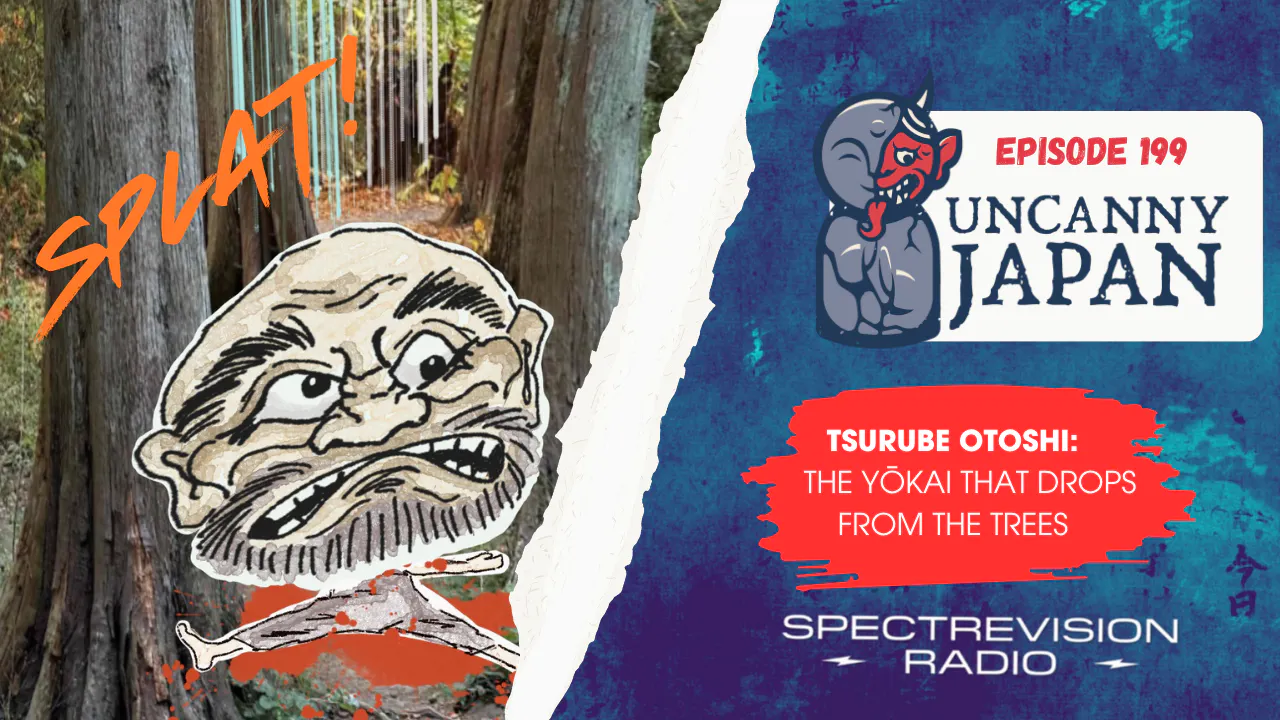
The Yōkai That Drops from the Trees *squish*: Tsurube Otoshi
The cicadas are fading, the bell crickets are singing, and autumn is beginning to creep into Japan. There’s an old saying: aki no hi wa tsurube otoshi—“an autumn day falls like a well bucket”—describing how suddenly darkness arrives this time of year. But Tsurube Otoshi is also the name of a very…

Folklore Story Time: The Sea Monster of the Oki Islands (Ep. 198)
This episode is story time. We’re traveling to the remote Oki Islands in the Sea of Japan for an old Japanese tale collected by Richard Gordon Smith in his 1908 book Ancient Tales and Folk-Lore of Japan. When young Tokoyo sets out to find her banished father, her journey leads her to an island…

100 Ghost Stories in the Dark: Why Summer Is Ghost Season in Japan (Ep. 197)
In Japan, ghosts don’t wait for October. Summer—especially the hot, humid weeks around Obon—has long been the season for ghost stories, strange encounters, and deliberately scaring yourself silly. In this episode of Uncanny Japan, we’ll sit down for hyakumonogatari, the old practice of telling one…

How to Welcome the Dead Home: Obon in Japan (Ep. 196)
Every Obon, Japan’s ancestral spirits return home—guided by tiny fires and carried on cucumber horses. This year, for the first time, I’m responsible for preparing my father-in-law’s family altar. Join me for cauldron lids, lost ghosts, strange noises in an old house, eggplant cows, and the rituals…
Creepy Story Time: "By the Japanese Sea" -- Lafcadio Hearn
On the final days of Obon, fishermen along Japan’s western coast once believed the sea belonged to the dead. In this episode, I read Lafcadio Hearn’s eerie and beautiful essay “By the Japanese Sea.” Along the journey, we encounter drowned spirits rising from the waves, cats carried aboard fishing…
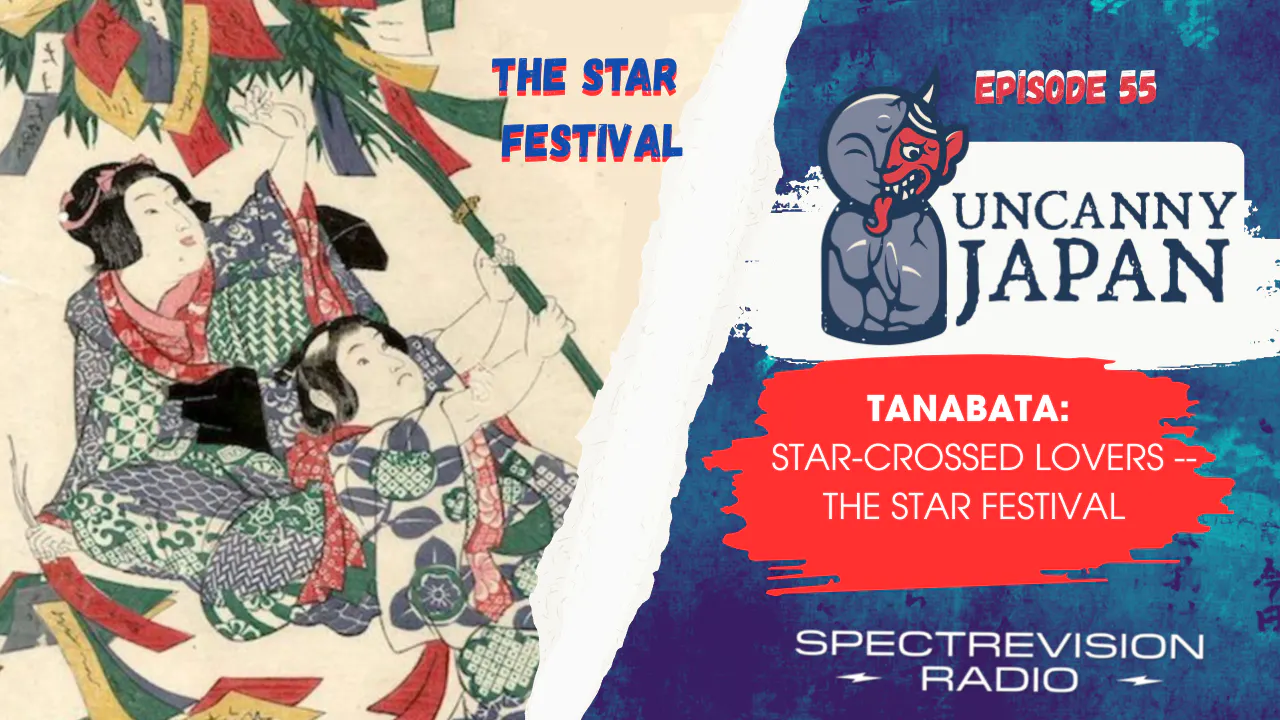
Tanabata: Star-Crossed Lovers (Ep.55) -- From the Vault
A short Tanabata tale from the Uncanny Vault: Orihime the weaving princess, Hikoboshi the cowherd, and the river of stars that keeps them apart. On the seventh night of the seventh month, wishes are written on colorful strips of paper, tied to bamboo, and sent into the summer sky. Learn more about…
Childhood Incantations: Engacho, Pain Magic, & Severed Pinkies! (Ep. 194)
Two little boys find a dead bird on a mountain path. One accidentally touches it with his shoe, and suddenly the invisible contagion begins. Fingers cross. A circle is made. A hand chops through it. “Engacho!” In this episode of Uncanny Japan, we explore the everyday magic words and protective…
Utsuro-Bune: The Hollow Ship Revisited (Ep. 193)
In 1803, fishermen on Japan’s Hitachi coast spotted something round and unfamiliar drifting offshore. They hauled the hollow vessel onto the beach—and discovered a mysterious young woman inside. Step into the story as one of those fishermen. Examine the vessel’s clouded windows and iron-plated…
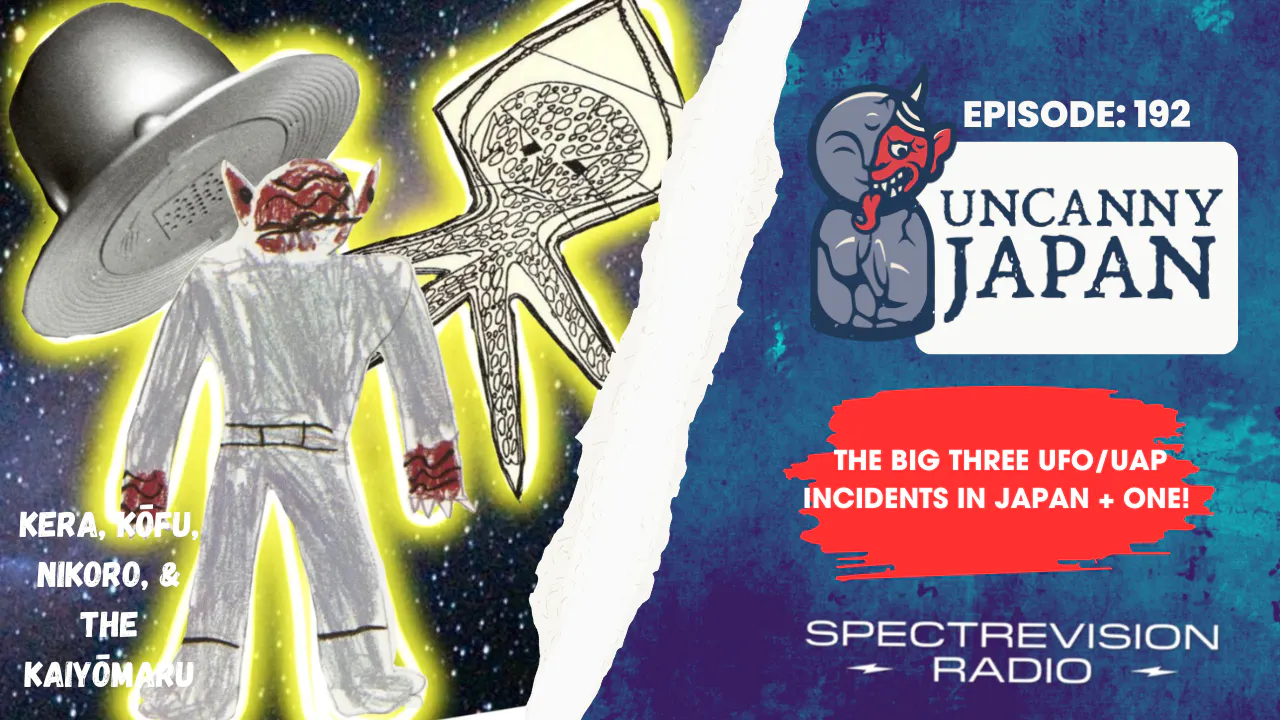
The Big Three UFO/UAP Incidents in Japan + One! (Ep. 192)
Japan’s 1970s UFO boom gave us some wonderfully strange cases: children capturing a tiny hat-shaped UFO in Kōchi, two boys encountering wrinkled aliens in a Yamanashi vineyard, and a Hokkaidō farmer who claimed repeated abductions, spoon-bending powers, and telepathic contact with beings from the…
The Ghost-Playing Actor Who Became a REAL Vengeful Ghost: Kohada Koheiji (Ep. 191)
Not all Japanese revenge ghosts are wronged women. Meet Kohada Koheiji: a failed Edo-period actor who became famous for playing ghosts, only to be murdered, drowned, and returned as the very thing he once performed. In this episode, we explore the tangled history of the “real” Koheiji, Santō…

All That Flows: Benzaiten, White Snakes, and Human-Headed Serpents
In this episode of Uncanny Japan, we follow Benzaiten — also known as Benten — from her origins as Saraswati to her place among Japan’s Seven Lucky Gods. Along the way: Enoshima’s five-headed dragon, white snakes as divine messengers, snake-skin wallets, house snakes, and Ugajin, the wonderfully…

Everyone Has a Throat Buddha / What is it and Why? -- Nodohotoke & Story Time: "The Buddha Bone" (Ep. 189)
Have you ever heard of the nodo-hotoke, or “throat Buddha”? In everyday Japanese, it usually refers to the Adam’s apple. But after death, especially in the context of cremation, the nodo-hotoke becomes something else entirely, the actual seat of your soul. In this episode of Uncanny Japan, I talk…