Download Podcasts as MP3
Search for a podcast, browse episodes, and download MP3 files directly from the publisher's website. Every episode comes with a downloadable transcript - we generate one if the show doesn't provide it.
Episodes from Eschatology Matters
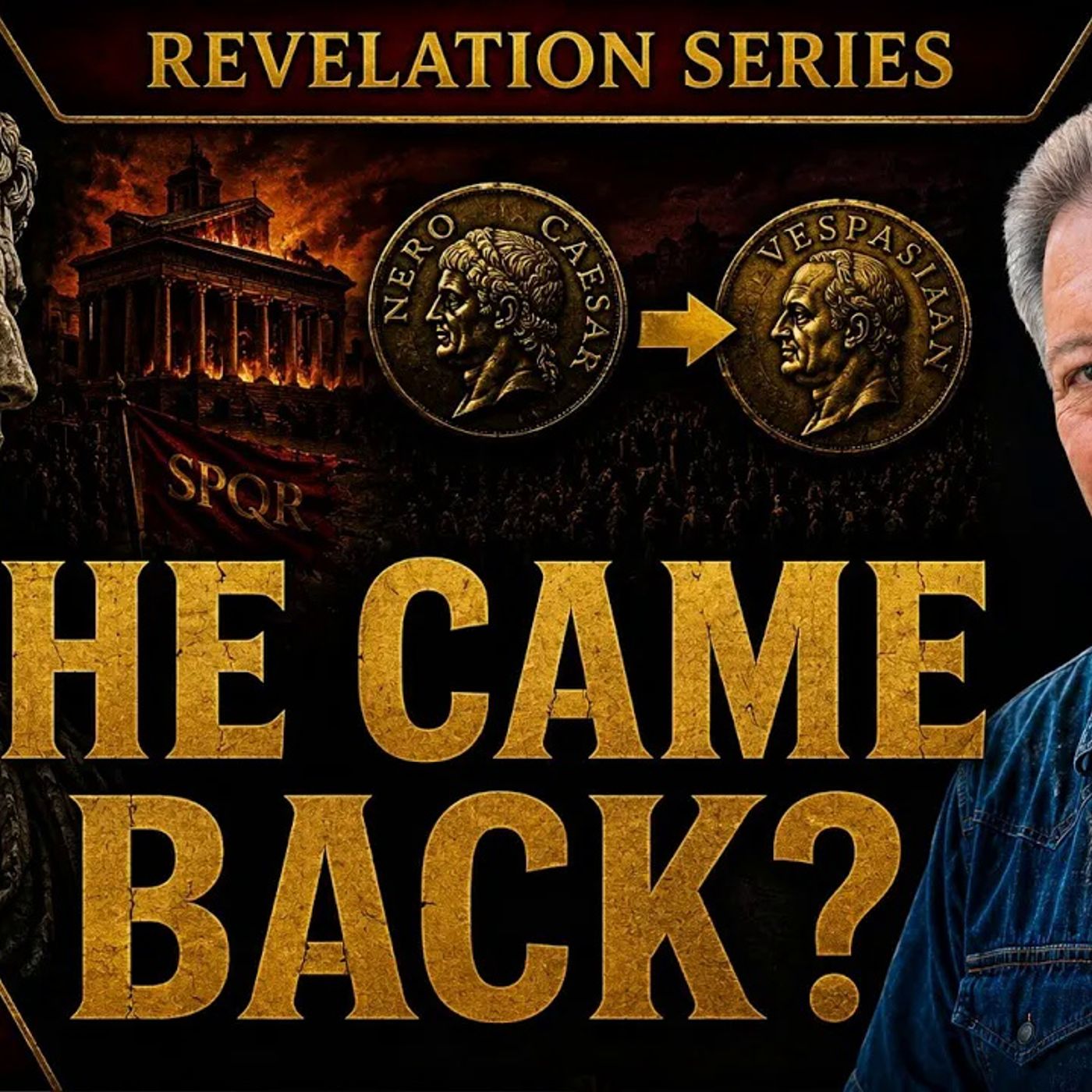
The Beast That Died and Came Back: Rome, Nero, and Revelation’s Deadly Wound
What if Revelation’s beast with the fatal wound was not a prediction of a future global apocalypse, but a powerful image rooted in the chaos of first-century Rome? This episode examines Nero’s death, the Year of the Four Emperors, the terrifying Nero Redivivus legend, and Vespasian’s rise to power.…
The Lindsay Clancy Verdict Update: Did Justice Fail?
In this episode of Richard Reacts, Richard Henry is joined by Tanner Cartwright to discuss the verdict, the public response, and the biblical principles at stake. They address the command “You shall not murder,” the insanity defense, personal accountability, the influence of modern feminism, the…
God Has Not Abandoned You in the Fire
Why does God allow Christians to suffer? How should believers respond when suffering comes through sickness, loss, persecution, broken relationships, or the ordinary pain of life in a fallen world? In this episode of Take Heart, Cory Wing walks through what Scripture teaches about suffering, God’s…
Christianity Was Never Supposed to Be This Weak
Is Christianity only about personal salvation—or is the gospel meant to transform the world?In this episode of The Based Boomer Podcast, Mike D’Virgilio challenges the idea that Christianity should remain a private faith concerned only with individual salvation and personal holiness.Drawing from…
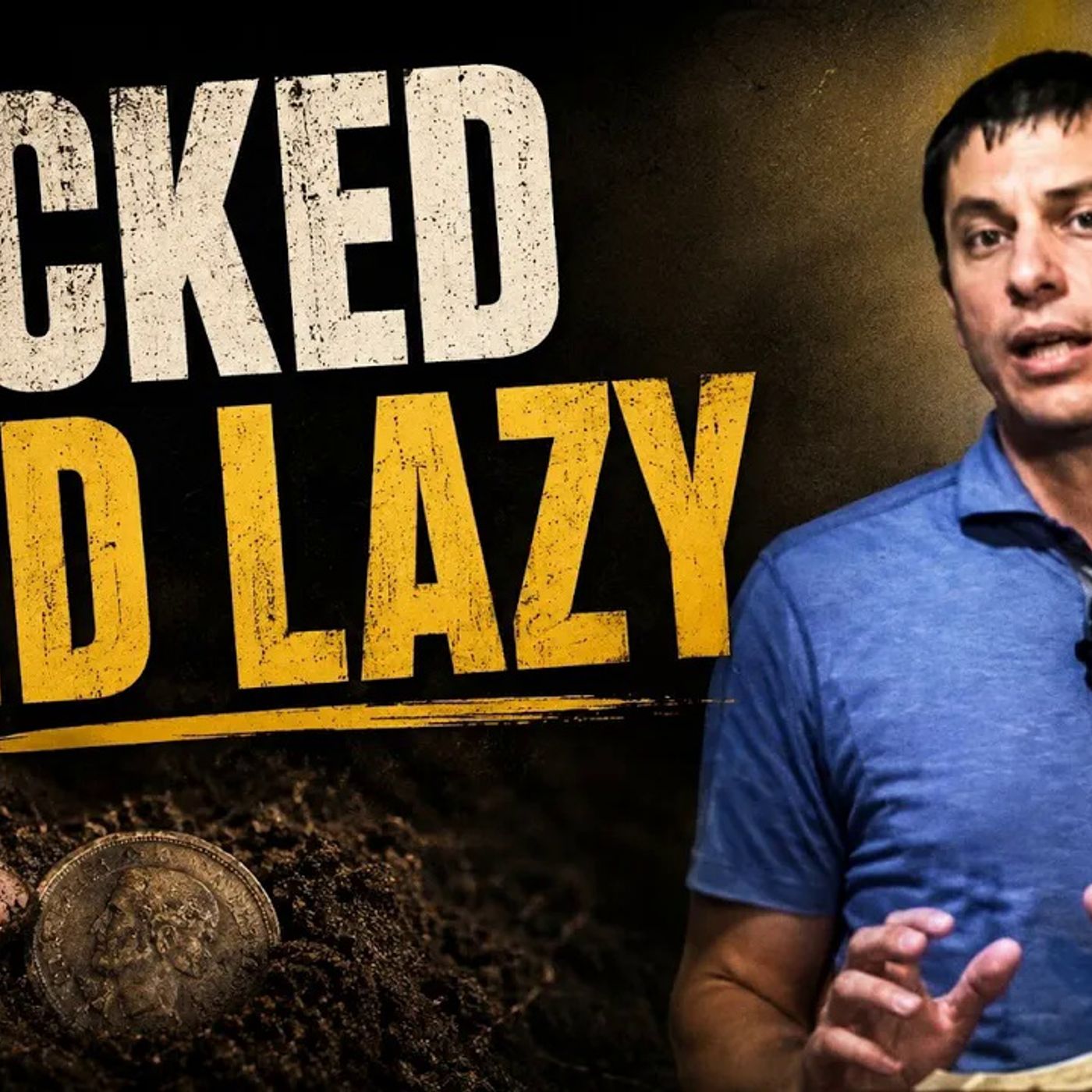
The Servant Jesus Called Wicked and Lazy
Will people be judged for failing to use what God has entrusted to them? In Matthew 25, Jesus tells the parable of the talents—a sobering picture of servants awaiting the return of their master.Pastor Brian Gunter continues his series through the Olivet Discourse, examining what this parable…

The Great Commission Is Bigger Than Personal Evangelism
In this episode of The Magistrate, Josh Howard is joined by Alex Kocman to examine Matthew 28:18–20 and Christ’s command to disciple the nations.They discuss the Greek construction of the Great Commission, the meaning of “all nations,” and the relationship between evangelism, discipleship, the…

Was Nero’s Lover a Secret Christian? The Mystery of Claudia Acte
Who was Claudia Acte—and why did she remain loyal to Nero when virtually everyone else abandoned him?In this episode, Jay Rogers examines the remarkable story of Claudia Acte, a former slave who became one of Nero Caesar’s closest companions and remained connected to him through the darkest years…

JD Vance on The View: Immigration, Race, and Liberal Double Standards | Richard Reacts
What happens when JD Vance walks into one of America's most hostile television panels and refuses to accept the framing?In this episode of Richard Reacts, Richard Henry watches Vice President JD Vance's appearance on The View and breaks down the discussion surrounding immigration, race, law…

Why Weve Got Discipleship All Wrong
What does biblical discipleship actually look like? Is it a program, a class, a conference, or something much more personal?In this episode of Take Heart, Cory Wing explores the biblical pattern of discipleship: following Christ while intentionally helping others do the same.From Jesus and His…
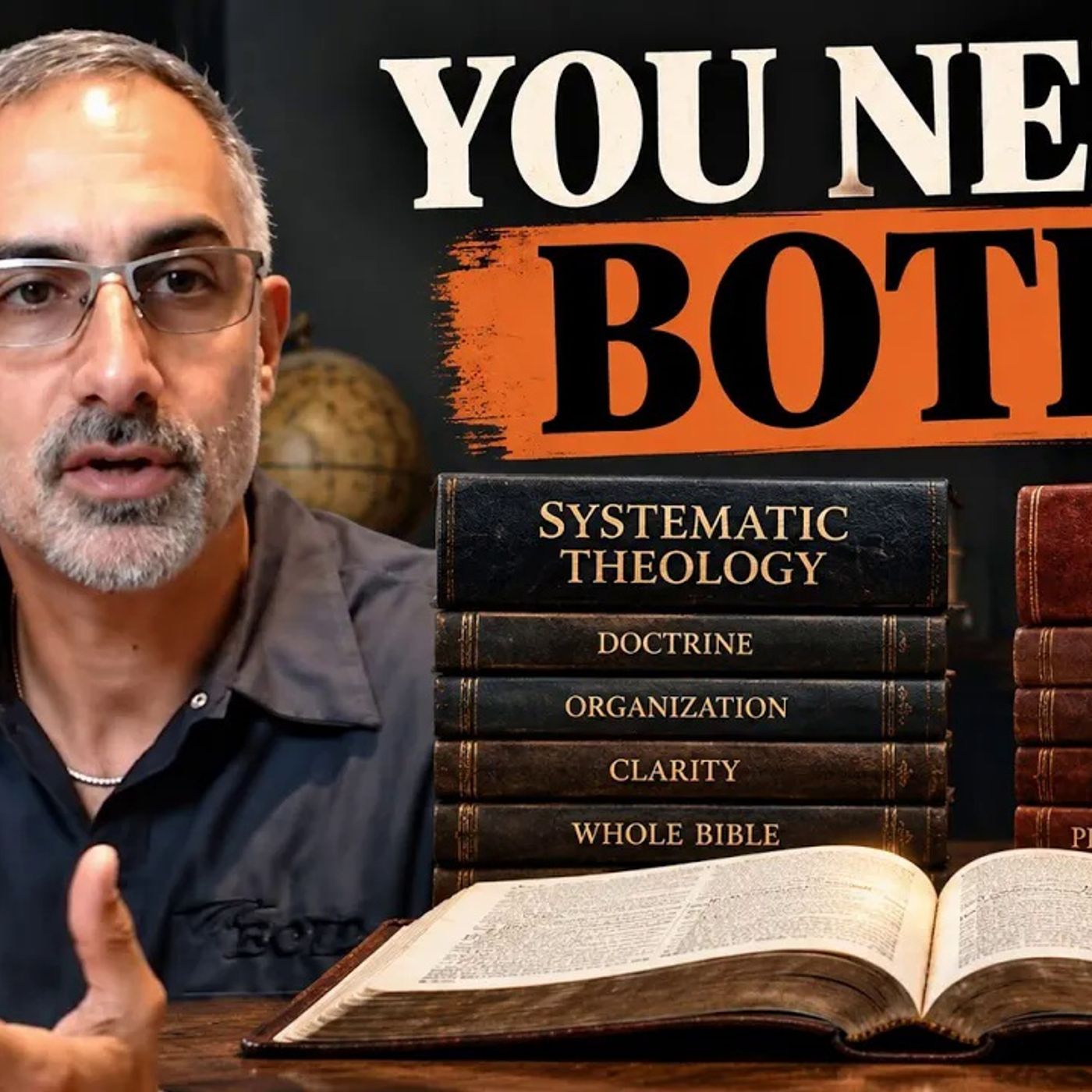
Biblical Theology vs. Systematic Theology: Why You Need Both
Should Christians prefer systematic theology or biblical theology?In this episode of Shadows to Substance, George Sayour explains why the church needs both. Systematic theology gathers everything Scripture teaches on a doctrine and organizes it clearly, while biblical theology traces how God…
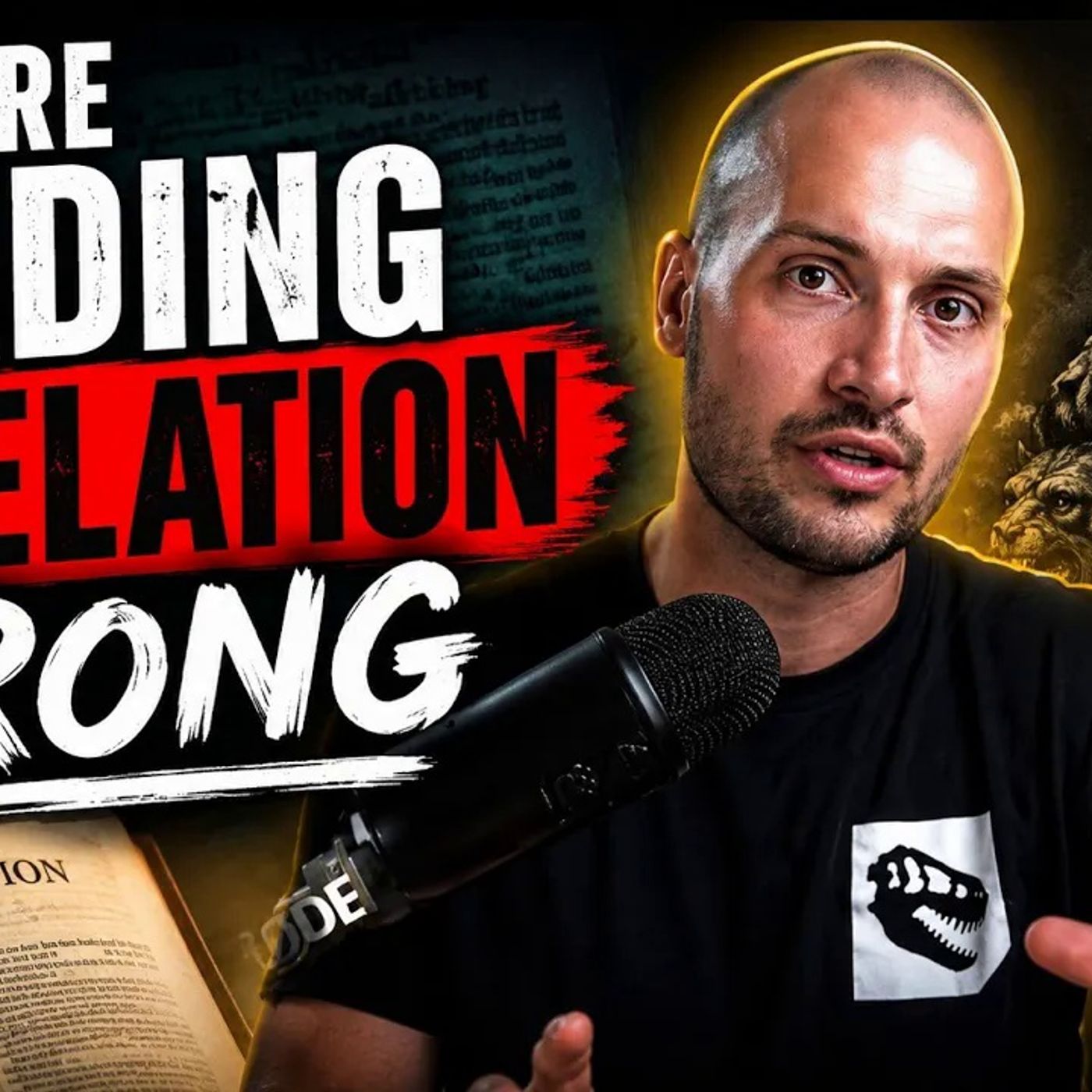
The Key to Understanding Revelation
How are Christians supposed to understand the strange imagery of Revelation? Jacob Glass explains why Revelation isn’t an impossible mystery—and why the Old Testament provides the key to understanding John’s visions.Watch all of our videos and subscribe to our channel for the latest content…
Is Christian Nationalism Really a Dangerous Error? | Responding to Phil Johnson
Is Christian nationalism a dangerous eschatological error—or does the debate reveal a much deeper disagreement about Christ’s rule over nations?In this episode of The Magistrate, Josh Howard is joined by guest host Cory Wing to respond to Phil Johnson’s recent comments on Christian nationalism and…